
SLU-PP-332
Also known as: ERR agonist · Exercise mimetic
SLU-PP-332 is an experimental oral ERR agonist studied in rodents for mitochondrial metabolism, fat oxidation, and exercise endurance.
SLU-PP-332 is a synthetic small molecule, not a peptide, developed as an agonist of estrogen-related receptors (ERRs), especially ERRα, ERRβ, and ERRγ. These nuclear receptors regulate genes involved in oxidative metabolism in tissues including skeletal muscle and heart. The compound is often called an “exercise mimetic” because it activates parts of the transcriptional program associated with endurance training. That label describes a research hypothesis, not a replacement for the many cardiovascular, musculoskeletal, and metabolic effects of exercise. It has no established clinical history as a medicine or supplement, and published work to date centers on experimental models.
In mouse studies, SLU-PP-332 increased expression of oxidative-metabolism genes and markers of mitochondrial function in skeletal muscle. A 2023 preclinical report found improved treadmill exercise capacity after repeated dosing in mice, alongside shifts toward oxidative muscle characteristics; subsequent animal work has examined energy expenditure and metabolic effects in obese mice. These findings provide a rationale for studying ERR activation, but they do not show that the compound improves human endurance or body composition. The animal doses and exposure conditions differ substantially from the low-dose schedules circulated online, and there are no human trial results establishing a benefit magnitude or safe dose.
The Handbook places SLU-PP-332 among mitochondrial compounds and describes it as an “exercise in a pill,” pairing it conceptually with SS-31 and MOTS-c and cycling it by training season. In practice, its use in online and practitioner settings is experimental rather than part of a validated sports or metabolic protocol. The JayCampbell.com reference gives an anecdotal oral schedule, but this is separate from the rodent research protocols. If someone is considering an experimental compound, the relevant discussion is with a clinician familiar with research chemicals, training status, and medications—not as a substitute for exercise, nutrition, or prescribed care.
@SupplementGraveyard review
Subscribe to @SupplementGraveyard to catch it on release.
What it is studied for
Mouse studies reported increased oxidative-metabolism gene expression and improved treadmill exercise capacity after repeated treatment. These are animal outcomes, not human performance data.
Preclinical studies, including work in obese mice, examined energy expenditure and metabolic markers after ERR activation. Results support further study but do not establish human fat loss.
Cell and tissue experiments show activation of ERR-regulated oxidative-metabolism programs, including genes associated with mitochondrial function and fatty-acid use.
Rodent experiments show overlapping transcriptional changes with endurance exercise, including an oxidative shift in skeletal muscle; this is not equivalent to the broader effects of training.
How it works
SLU-PP-332 activates ERRα, ERRβ, and ERRγ, ligand-regulated nuclear receptors that bind estrogen-related response elements in DNA. ERRs interact with the transcriptional coactivator PGC-1α, a central regulator of mitochondrial biogenesis and oxidative metabolism. In experimental muscle, activation increases expression of genes involved in fatty-acid transport and oxidation, the tricarboxylic-acid cycle, and respiratory-chain function, favoring an oxidative endurance-associated phenotype. This signaling overlaps with some exercise-induced adaptations, but does not reproduce the full signaling response to muscular contraction, mechanical loading, or cardiorespiratory training.
Protocols used in studies & practitioner literature
Informational only. These are protocols reported in published studies, product labels and practitioner references, listed so you can read the research intelligently. They are not dosing instructions. Injectable products on this site are research-use-only.
- Dose
- 250–500 mcg
- Frequency
- 1–2 times daily
- Timing
- Oral; timing relative to meals or exercise was not given
- Cycle
- 4 weeks
- Route
- Oral
- Dose
- Study-specific doses; not comparable to the anecdotal human schedules
- Frequency
- Repeated dosing in the study protocol
- Timing
- As defined by the individual animal study
- Cycle
- Study-specific
- Route
- Oral in reported orally active animal research
When and how it is used
- The JayCampbell.com schedule is reported as oral use; it does not establish a validated relationship between dose, food, training time, and effect.
- Do not apply rodent doses to humans or infer that the reported microgram schedule reproduces animal-study exposure.
- Track training volume, resting heart rate, exercise performance, sleep, and body composition only with qualified clinical oversight if exposure has occurred.
- No clinical onset timeline is available; animal outcomes were assessed under repeated study dosing, not as a guaranteed short-term effect.
- Follow the product-specific storage and handling directions; do not improvise a suspension or assume a research powder is suitable for ingestion.
Synergies and stacks
Considerations and cautions
- SLU-PP-332 is a research compound, not an FDA-approved drug or approved dietary ingredient; there are no human safety or efficacy trials establishing a clinical dose.
- The 250–500 mcg schedule is anecdotal and should not be mistaken for a clinical or label dose. The relationship between that schedule and animal exposures is unknown.
- Potential effects on cardiac, metabolic, reproductive, and other ERR-regulated tissues have not been characterized in people; unknown drug interactions and long-term risks matter.
- Research-chemical identity, purity, dose accuracy, and contamination are concerns with unregulated products. Athletes should check current sport rules with their governing body before exposure.
The Handbook take
The Handbook calls SLU-PP-332 an “exercise in a pill” and associates it with exercise-like signaling, fat loss, muscle, and cardiovascular endurance. It lists it with SS-31 and MOTS-c as a mitochondrial compound cycled by training season, and also includes it in its personal peptide routine. Those are the Handbook’s framing and use context, not human trial findings.
Frequently asked questions
What dose of SLU-PP-332 is reported?
JayCampbell.com reports 250–500 mcg orally one or two times daily for four weeks as anecdotal use. This is not a dose tested in human clinical trials.
How long does SLU-PP-332 take to work?
There is no human onset timeline. Animal studies assess outcomes after repeated dosing, so they cannot predict when or whether a person would notice an effect.
What are the side effects?
Human side effects have not been characterized in clinical trials. Because ERRs regulate metabolism in several tissues, unanticipated effects and interactions are possible.
Is SLU-PP-332 taken orally or by injection?
The reference schedule is oral, and the compound has been studied as an orally active molecule in animals. No human route or formulation has been clinically validated.
Can SLU-PP-332 be stacked with MOTS-c or SS-31?
The Handbook groups these compounds in a mitochondrial category, but human combination studies have not shown that stacking them is effective or safe. Combining research compounds can make adverse effects harder to identify.
Is SLU-PP-332 legal or permitted in sport?
It is not an approved medicine or supplement ingredient in the United States, and its legal status can vary by jurisdiction. Athletes should check current rules with their sport organization; product identity and contamination are additional concerns.
Sourcing
Related entries
Research supply
BioLongevity Labs products for laboratory research, available to buy now. BioLongevity Labs takes the order and ships it; these listings are separate from the educational material. Affiliate disclosure: BioLongevity Labs links and code JASONJOHNS (15% off eligible orders) are affiliate links and a paid code; NexGen may earn a commission at no extra cost to you if you buy through them.
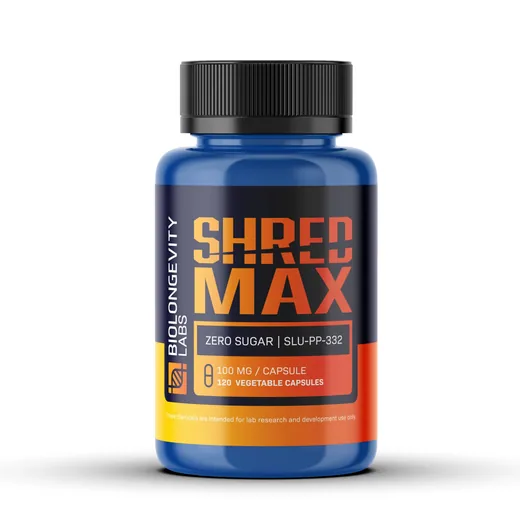
Research use only. Not for human consumption.
From $154.97 as of Nov 22, 2026. Price at merchant may differ.
View research listingEducational content from an executive health coach, written as "what I would do if I were you" guidance — not medical advice, diagnosis or treatment. Injectable products sold on this site are for research use only and are not for human consumption. Talk with your licensed clinician before changing any protocol. Last reviewed November 2026.
