
Endoluten (pineal)
Also known as: Khavinson peptide bioregulator
Endoluten is a pineal-derived Khavinson bioregulator studied and marketed for pineal, circadian, and endocrine support.
Endoluten is a pineal-gland cytomax in the Khavinson peptide-bioregulator family. Cytomaxes are described as low-molecular-weight peptide preparations derived from animal tissue, in this case pineal tissue; they are distinct from cytogens, which are synthetic short peptide products. A single, universally standardized amino-acid sequence for Endoluten is not established in the product literature, and formulations can differ by manufacturer. The Handbook’s reference list identifies Endoluten with the pineal gland, while its broader discussion names Pineleon as its featured pineal staple.
Khavinson bioregulator research developed in Russia over several decades and has included long-term observational work in Siberian oil-field workers and Russian Navy personnel exposed to cycles of multiple organ-specific bioregulators. The Handbook reports a mortality difference versus placebo-pill controls that widened across follow-up intervals extending to 30 years. These reports concern combinations of 21 bioregulators, not Endoluten alone, and The Handbook provides no cohort size, absolute mortality figures, or Endoluten-specific outcomes. The proposed pineal, circadian, endocrine, and telomere effects therefore should not be mistaken for demonstrated Endoluten trial endpoints.
Current practitioner protocols use oral Endoluten capsules in cycles, often alongside other organ-specific bioregulators. A reported cytomax schedule is one to two capsules (10–20 mg) daily with food for 10–30 days; the Handbook describes approximately 30-day cycles, typically using three bioregulators at a time and rotating organ systems. Practitioner notes suggest repeating cycles two to three times yearly and pairing a pineal product with Epitalon and Ventfort, but these combinations have not been established in controlled Endoluten trials.
@SupplementGraveyard review
Subscribe to @SupplementGraveyard to catch it on release.
What it is studied for
Endoluten is positioned as a pineal cytomax in practitioner protocols; product-specific controlled human data on circadian outcomes are not described in the Handbook.
The Handbook describes Russian follow-up of Siberian oil-field workers and Russian Navy personnel using cycles of 21 bioregulators, with a reported widening mortality difference over follow-up intervals up to 30 years; this does not isolate Endoluten.
The pineal rationale is linked to circadian and endocrine signaling, but no Endoluten-specific effect size or controlled endpoint is provided.
Pineal bioregulator materials associate the category with telomere support; this claim is not quantified for Endoluten in the cited Handbook material.
How it works
Endoluten is presented as a tissue-specific pineal peptide preparation rather than a drug with a defined receptor target. Proposed effects center on pineal-cell regulation and downstream circadian and endocrine signaling, including pathways related to melatonin rhythms. A product-specific sequence, receptor, pharmacokinetic profile, or validated molecular mechanism has not been established in the accessible clinical literature. The distinction between a tissue-derived cytomax and a synthetic cytogen matters: their compositions and absorption may differ, so mechanisms or dosing for one should not automatically be assigned to the other.
Protocols used in studies & practitioner literature
Informational only. These are protocols reported in published studies, product labels and practitioner references, listed so you can read the research intelligently. They are not dosing instructions. Injectable products on this site are research-use-only.
- Dose
- 1–2 capsules (10–20 mg) daily
- Frequency
- Once daily
- Timing
- With food
- Cycle
- 10–30 days; the Handbook describes approximately 30-day cycles
- Route
- Oral capsule
- Dose
- 1–2 capsules (10–20 mg) daily
- Frequency
- Once daily during each cycle
- Timing
- With food
- Cycle
- Repeat 2–3 times per year
- Route
- Oral capsule
- Dose
- Product-specific dose varies
- Frequency
- Product-specific
- Timing
- Sublingual use is described for synthetic cytogens
- Cycle
- Practitioner notes favor shorter cycles because tolerance may build
- Route
- Sublingual
When and how it is used
- The reported capsule schedule is taken with food; keep the time of day consistent when tracking tolerance or sleep-wake patterns.
- The Handbook’s general bioregulator framework is around 30 days, usually with three organ-system products at a time, followed by rotation to other organ systems.
- Track sleep timing, daytime alertness, and any clinician-selected endocrine markers; do not infer a change in melatonin or telomeres from subjective sleep alone.
- Do not assume a synthetic cytogen and an animal-tissue cytomax share the same dose or composition; check the product label and formulation.
- Store capsules according to their manufacturer’s instructions, especially where products contain animal-derived extracts.
Synergies and stacks
Considerations and cautions
- Endoluten is a supplement/bioregulator product, not an FDA-approved drug. Composition, animal-tissue source, peptide content, and quality controls can differ among manufacturers.
- The Russian longevity findings described in the Handbook concern cycles of multiple bioregulators and do not establish an Endoluten-specific mortality effect; cohort details and absolute effect sizes are not provided in the Handbook.
- People with endocrine disorders, those using melatonin or hormone-active medicines, and those who are pregnant or breastfeeding should consult a clinician before use. Allergies or sensitivities related to animal-derived material may also matter.
- Claims involving telomeres, endocrine normalization, or lifespan extension exceed the Endoluten-specific human evidence currently described.
The Handbook take
The Handbook lists Endoluten in its organ-system reference as a pineal/epiphysis bioregulator. Its featured pineal staple is Pineleon, described as supporting circadian and endocrine signaling and as a base for bioregulator stacks; the general framework is roughly 30-day cycles, three bioregulators at a time, followed by organ-system rotation.
Frequently asked questions
What is a typical Endoluten dose?
A reported cytomax protocol is 1–2 capsules, totaling 10–20 mg, daily with food. The reported cycle ranges from 10 to 30 days, while the Handbook’s general approach is approximately 30 days.
How long before Endoluten may affect sleep or circadian rhythm?
There is no established Endoluten-specific onset time in the described human research. Practitioners typically assess changes during a cycle using sleep timing and daytime alertness.
What is the difference between a cytomax and a cytogen?
A cytomax is described as a tissue-derived peptide preparation, whereas a cytogen is a synthetic short peptide product. Their composition and dosing may differ, so follow the specific product formulation.
Can Endoluten be stacked with Epitalon and Ventfort?
Practitioner notes describe this as a common base pairing, and the Handbook generally discusses stacks of three bioregulators. Controlled trials have not established that this specific combination produces additive benefits.
Is Endoluten oral or sublingual?
Endoluten cytomax capsules are taken orally in the reported protocol. Sublingual administration is described for synthetic cytogens, not as a universal route for every Endoluten product.
How often are Endoluten cycles repeated?
A practitioner protocol describes repeating cycles two to three times per year. The Handbook’s broader approach is to cycle for about 30 days and rotate to other organ systems.
Sourcing
Related entries
Research supply
BioLongevity Labs products for laboratory research, available to buy now. BioLongevity Labs takes the order and ships it; these listings are separate from the educational material. Affiliate disclosure: BioLongevity Labs links and code JASONJOHNS (15% off eligible orders) are affiliate links and a paid code; NexGen may earn a commission at no extra cost to you if you buy through them.
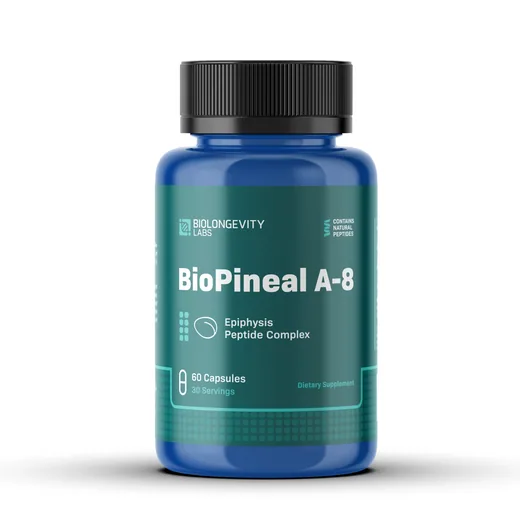
Research use only. Not for human consumption.
From $85.97 as of Nov 22, 2026. Price at merchant may differ.
View research listingEducational content from an executive health coach, written as "what I would do if I were you" guidance — not medical advice, diagnosis or treatment. Injectable products sold on this site are for research use only and are not for human consumption. Talk with your licensed clinician before changing any protocol. Last reviewed November 2026.
