
Reviews Peptides Tissue Repair & Inflammation Research
KPV (10 mg)
Also known as Lys-Pro-Val, alpha-MSH(11-13), ACTH(11-13)
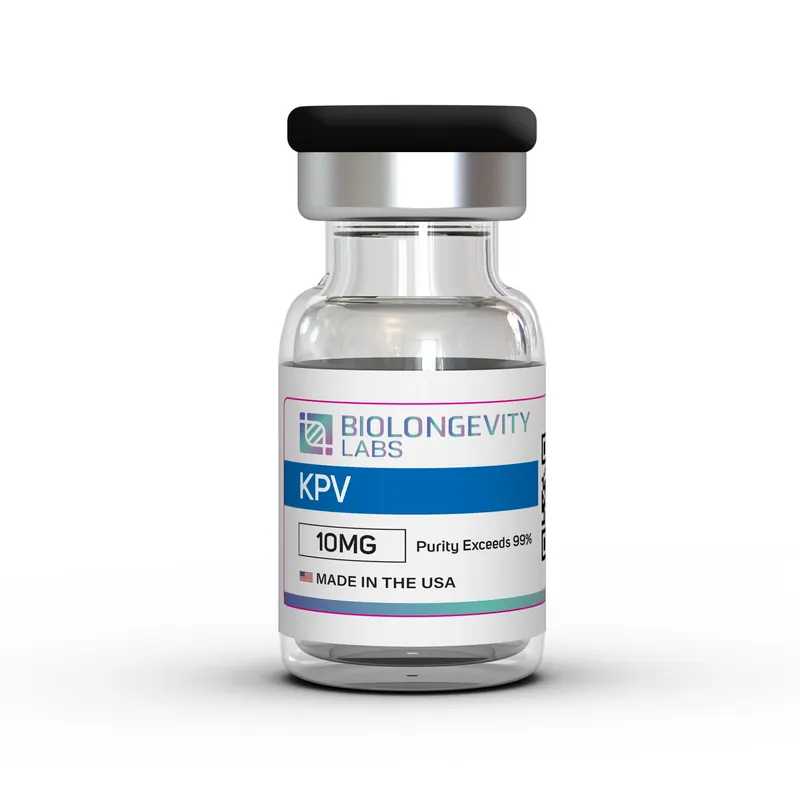
KPV, the Lys-Pro-Val tripeptide from the tail of alpha-MSH, in a 10 mg lyophilized vial. Anti-inflammatory evidence comes from cell and mouse colitis models; no human trials exist.
- Intermediate (draft)
- Compound evidence C · Animal / preclinical
- In the Handbook of Health
- lyophilized vial
- Rank pending
Grades describe published research on the compound, not this product.
What it is
KPV is the C-terminal three amino acids of alpha-melanocyte-stimulating hormone. It lacks the core motif needed to bind melanocortin receptors, so it is studied as a separate entity that dampens NF-κB inflammatory signalling and is carried into gut cells by the PepT1 transporter. BLL supplies 10 mg of synthetic KPV (CAS 67727-97-3) with no fillers.
What it has been studied for
Intestinal inflammation via PepT1 uptake
AnimalKPV taken up by the PepT1 transporter reduced inflammation and colitis severity in mouse models.
Targeted oral delivery in colitis models
AnimalHyaluronic-acid-functionalized nanoparticles carrying KPV reduced colitis in mice, showing delivery matters for this tripeptide.
NF-κB and cytokine signalling
In vitroCell work places KPV's effect on inflammatory signalling inside the cell rather than at melanocortin receptors.
This study examined the research compound, not the product sold by BioLongevity Labs. The findings do not establish that the product is safe or effective for people.
Research contexts
- Gut and skin inflammation research
- Comparing KPV formats (vial, oral, nanoparticle) and blends such as KLOW
Cautions & unknowns
- No human clinical trials of KPV; human safety, dose and pharmacokinetics are unknown.
- Unapproved peptides fall under WADA's S0 (non-approved substances) category; not for tested athletes.
- Not studied in pregnancy, nursing or adolescents.
- Research peptide vials are not sterile drug products; nothing here covers administration, reconstitution or dosing.
- BioLongevity Labs designates this vial for in vitro research use only; the merchant states it is not for human or veterinary administration. This review describes the compound and published research only, with no dosing, reconstitution or personal-use guidance.
- No statement here has been evaluated by the FDA; nothing in this review is medical advice.
Jason’s take
Jason's hands-on review is coming.
Handbook §§13, 25 and 27 mention KPV. §27 names Integrative Peptides, not this BLL vial.
Handbook §27 “My Current Protocol (Bonus Exclusive Content)”: Names Integrative Peptides KPV, not this BLL vial.
Handbook §25 “The Ultimate Guide to Peptides”: Lists KPV without identifying the BLL vial.
Handbook §13 “Everything Microbiome / Gut Health”: Mentions KPV without identifying a product.
Compared products
- Product 1
BioLongevity Labs
KPV (10mg)
SKU KPV-10MG · 10 mg
In the Handbook of Health
Where it shines
- 10 mg per vial at $52.97 (about $5.30 per mg, list price 2026-11-22).
- Single defined tripeptide with CAS, sequence and formula disclosed.
- BLL states every batch is tested by an independent third-party lab (AV Analytics or BioRegen) against a ≥99% HPLC purity specification, with certificates published online and verifiable via QR/report codes.
Where it falls short
- Vial format; Jason's documented KPV use is an oral Integrative Peptides product, so this SKU is not the one he tested.
- Certificates are published online, not shipped with the vial, and no lot certificate was independently audited for this review.
Verdict: A cleanly specified research tripeptide with credible animal data and no human trials.
$52.97 as of Nov 22, 2026 at BioLongevity Labs
For in vitro research use only. Not for human or animal use.
- Product 2KPV
Integrative Peptides
KPV
In the Handbook of Health
Verdict: A separate KPV product named in Handbook §27; not compared head-to-head.
Listed for comparison only. Not linked from this site.
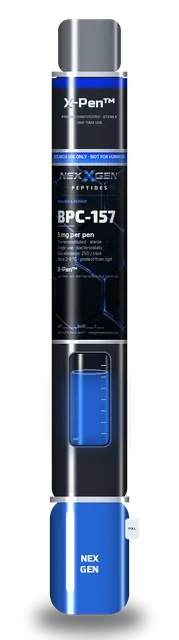
NexGen formulation
NexGen formulation in development
NexGen™ is Jason Johns' own brand. Illustrative render: formulation and name are not final.
Related reviews
- KLOW Blend (GHK-Cu, BPC-157, TB-500, KPV) 80mgPeptides · Compound evidence D
- BioGutPro (BPC-157 + KPV + larazotide + GHK-Cu + tributyrin + zinc carnosine)Peptide Supplements · Compound evidence B
- BPC-157 (10mg)Peptides · Compound evidence C
- LL-37 (5 mg)Peptides · Compound evidence B
- Thymosin Alpha-1 (10 mg)Peptides · Compound evidence B
Sources
- KPV (10mg) product page BioLongevity Labs · accessed Nov 22, 2026
- Peptides for Autoimmune Disease: KPV, TA1, and LL-37 Jay Campbell · accessed Nov 22, 2026
- PepT1-mediated tripeptide KPV uptake reduces intestinal inflammation (2008) PubMed · accessed Nov 22, 2026
- Orally targeted delivery of tripeptide KPV via hyaluronic acid-functionalized nanoparticles (2017) PubMed · accessed Nov 22, 2026
Updated Nov 22, 2026. Written by the NexGen research team for @SupplementGraveyard™. Jason Johns is an executive health coach, not a licensed healthcare provider. This content is educational only and does not create a provider-patient relationship.