
Reviews Peptides Immunology Research
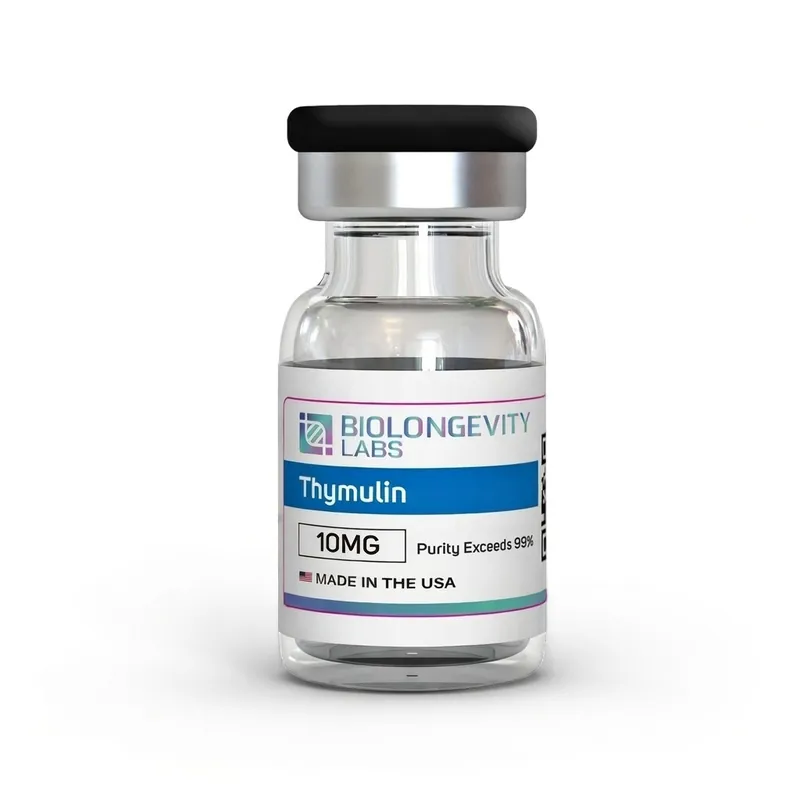
Thymulin (10 mg)
Also known as Serum thymic factor, FTS, Facteur thymique sérique, Nonathymulin
Thymulin, a zinc-dependent nine-amino-acid thymic hormone, in a 10 mg vial. Research is older animal and cell work on T-cell differentiation and neuroendocrine links.
- Advanced (draft)
- Compound evidence C · Animal / preclinical
- In the Handbook of Health
- lyophilized vial
- Rank pending
Grades describe published research on the compound, not this product.
What it is
Thymulin (pGlu-Ala-Lys-Ser-Gln-Gly-Gly-Ser-Asn) is secreted by thymic epithelial cells and is biologically active only when bound to zinc. It promotes T-cell differentiation and interacts with the neuroendocrine system. BLL supplies 10 mg; the listing wrongly lists 'Thymalin' (a separate calf-thymus peptide extract) as a synonym.
What it has been studied for
Zinc-dependent T-cell differentiation
MechanisticClassic work established that thymulin requires zinc for activity and acts on T-cell maturation.
Neuroendocrine interactions
AnimalStudies show bidirectional links between thymulin and pituitary/hypothalamic hormones.
Thymic endocrinology
MechanisticReviews place thymulin among thymic hormones that decline with age.
This study examined the research compound, not the product sold by BioLongevity Labs. The findings do not establish that the product is safe or effective for people.
Research contexts
- Thymic hormone and zinc-immunity research
- Comparing thymic peptides (Tα1, thymulin, thymus extracts)
Cautions & unknowns
- No modern human trials.
- Activity depends on zinc; the vial supplies the peptide only.
- Listing conflates thymulin with Thymalin, a different product.
- Unapproved peptides fall under WADA's S0 (non-approved substances) category; not for tested athletes.
- Not studied in pregnancy or nursing.
- Research peptide vials are not sterile drug products; nothing here covers administration, reconstitution or dosing.
- BioLongevity Labs designates this vial for in vitro research use only; the merchant states it is not for human or veterinary administration. This review describes the compound and published research only, with no dosing, reconstitution or personal-use guidance.
- No statement here has been evaluated by the FDA; nothing in this review is medical advice.
Jason’s take
Jason's hands-on review is coming.
Handbook §27 mentions thymulin, but the BLL vial is not named.
Handbook §27 “My Current Protocol (Bonus Exclusive Content)”: Names thymulin without identifying this product.
Compared products
One product reviewed so far. Comparison slots stay empty until Jason chooses alternatives.
- Product 1
BioLongevity Labs
Thymulin Peptide (10mg)
SKU THYMU-10MG · 10 mg
In the Handbook of Health
Where it shines
- 10 mg per vial at $56.97 (about $5.70 per mg, list price 2026-11-22).
- Correct thymulin sequence and CAS (63958-90-7) listed.
- Low per-mg price.
Where it falls short
- Synonym list incorrectly includes 'Thymalin'.
- Older listing claims 'USA GMP facilities' without supporting documentation on the page.
- This older-format listing lacks the third-party-testing / COA section that BLL's newer listings carry; ask for the current lot certificate.
Verdict: An inexpensive, correctly sequenced thymic hormone with only old preclinical evidence; the listing needs a synonym fix.
$56.97 as of Nov 22, 2026 at BioLongevity Labs
For in vitro research use only. Not for human or animal use.
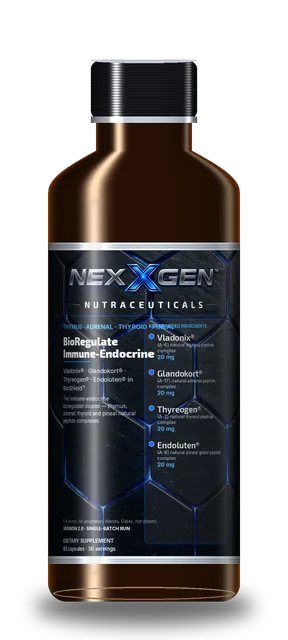
NexGen formulation
NexGen formulation in development
NexGen™ is Jason Johns' own brand. Illustrative render: formulation and name are not final.
Related reviews
Sources
- Thymulin Peptide (10mg) product page BioLongevity Labs · accessed Nov 22, 2026
- Thymulin, a zinc-dependent hormone (1989) PubMed · accessed Nov 22, 2026
- Thymulin and the neuroendocrine system (2004) PubMed · accessed Nov 22, 2026
- Thymic endocrinology (1998) PubMed · accessed Nov 22, 2026
Updated Nov 22, 2026. Written by the NexGen research team for @SupplementGraveyard™. Jason Johns is an executive health coach, not a licensed healthcare provider. This content is educational only and does not create a provider-patient relationship.