
Reviews Peptides Dermal & Pigmentation Research
Melanotan 1 (10 mg)
Also known as Melanotan I, MT-I, Afamelanotide, [Nle4, D-Phe7]-α-MSH, NDP-MSH
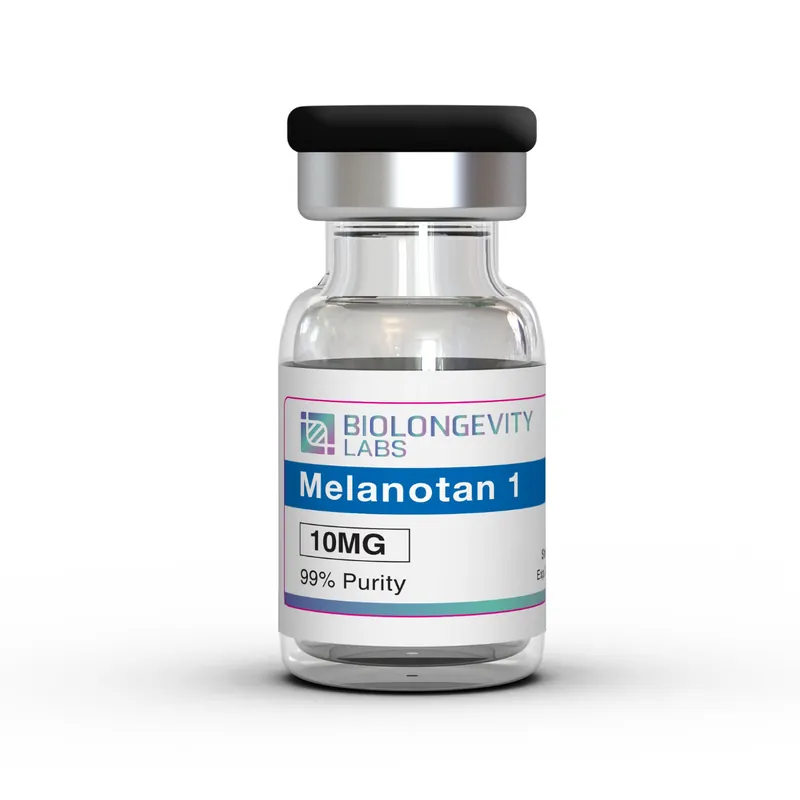
Melanotan 1, the alpha-MSH analogue also known as afamelanotide, in a 10 mg vial. As an approved implant it has phase 3 data in a rare light-sensitivity disorder; cosmetic tanning use is unregulated.
- Advanced (draft)
- Compound evidence B · Limited human data
- In the Handbook of Health
- lyophilized vial
- Rank pending
Grades describe published research on the compound, not this product.
What it is
Melanotan 1 is a 13-residue linear alpha-MSH analogue with norleucine at position 4 and D-phenylalanine at position 7, making it resistant to breakdown. It activates the MC1R receptor on melanocytes to increase eumelanin. The same molecule, afamelanotide, is approved as a controlled-release implant (Scenesse) for a specific prescription indication; BLL's 10 mg vial is a research reagent, not that product.
What it has been studied for
Light tolerance in erythropoietic protoporphyria
Human RCTPhase 3 trials of the afamelanotide implant increased pain-free time in direct sunlight versus placebo in this rare disorder.
Melanogenesis via MC1R
In vitroReceptor and melanocyte studies show picomolar MC1R binding and increased cAMP and tyrosinase activity.
Harms from unregulated use
Human (small / observational)Dermatology reviews describe nausea, flushing, new or darkening moles and case reports of melanoma among people self-injecting melanotan products.
This study examined the research compound, not the product sold by BioLongevity Labs. The findings do not establish that the product is safe or effective for people.
Research contexts
- Melanocortin-receptor and pigmentation research
- Comparing Melanotan 1 with Melanotan 2 / PT-141
Cautions & unknowns
- Tanning peptides can darken and change moles; dermatologists recommend skin checks for anyone exposed. Not for anyone with a personal or family history of melanoma.
- Increased pigmentation is not a substitute for sun protection, and BLL makes no photoprotection claim for this vial.
- Common reported effects include nausea, facial flushing and fatigue.
- Unapproved peptides fall under WADA's S0 (non-approved substances) category; not for tested athletes.
- Not studied in pregnancy or nursing.
- Research peptide vials are not sterile drug products; nothing here covers administration, reconstitution or dosing.
- BioLongevity Labs designates this vial for in vitro research use only; the merchant states it is not for human or veterinary administration. This review describes the compound and published research only, with no dosing, reconstitution or personal-use guidance.
- No statement here has been evaluated by the FDA; nothing in this review is medical advice.
Jason’s take
"it is my personal preference" (Handbook §25, on Melanotan 1).
Handbook §25 calls Melanotan 1 'my personal preference'; §27 describes a sun-season Melanotan I protocol and §12 mentions it for very light skin (dosing not reproduced). Brand not named; the BLL vial is not documented as the one used.
Handbook §25 “The Ultimate Guide to Peptides”: Melanotan 1: gradual tan, potential sun-protection mechanism; Jason's personal preference over Melanotan 2.
Handbook §27 “My Current Protocol (Bonus Exclusive Content)”: Sun season: Melanotan I used sparingly in early summer; 'Frontier' spotlight.
Handbook §12 “Everything Sun”: For very light skin: alpha-MSH nasal in winter, then Melanotan 1 (dose figure in Handbook not reproduced).
Compared products
One product reviewed so far. Comparison slots stay empty until Jason chooses alternatives.
- Product 1
BioLongevity Labs
Melanotan 1 (10mg)
SKU MELT1 · 10 mg
In the Handbook of Health
Where it shines
- 10 mg per vial at $44.97 (about $4.50 per mg, list price 2026-11-22).
- Sequence, modifications and CAS disclosed; molecule is identical to an approved drug substance.
- Lowest per-mg price among BLL's melanocortin peptides apart from PT-141.
- BLL states every batch is tested by an independent third-party lab (AV Analytics or BioRegen) against a ≥99% HPLC purity specification, with certificates published online and verifiable via QR/report codes.
Where it falls short
- Approved afamelanotide is a slow-release implant; a vial of the peptide is a different exposure profile.
- Certificates are published online, not shipped with the vial, and no lot certificate was independently audited for this review.
Verdict: The best-characterized tanning peptide, with real clinical data in its approved form and real skin risks in cosmetic use.
$44.97 as of Nov 22, 2026 at BioLongevity Labs
For in vitro research use only. Not for human or animal use.
NexGen formulation
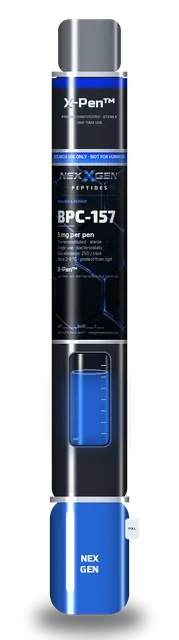
NexGen formulation in development
NexGen™ is Jason Johns' own brand. Illustrative render: formulation and name are not final.
Related reviews
Sources
- Melanotan 1 (10mg) product page BioLongevity Labs · accessed Nov 22, 2026
- Afamelanotide for erythropoietic protoporphyria (NEJM 2015) PubMed · accessed Nov 22, 2026
- An alpha-melanocyte-stimulating hormone analogue in erythropoietic protoporphyria (NEJM 2009) PubMed · accessed Nov 22, 2026
- Melanotropic peptides: more than just 'Barbie drugs' and 'sun-tan jabs'? (2010) PubMed · accessed Nov 22, 2026
- Risks of unregulated use of alpha-melanocyte-stimulating hormone analogues: a review (2017) PubMed · accessed Nov 22, 2026
Updated Nov 22, 2026. Written by the NexGen research team for @SupplementGraveyard™. Jason Johns is an executive health coach, not a licensed healthcare provider. This content is educational only and does not create a provider-patient relationship.