
Ipamorelin
Also known as: GHRP · NNC 26-0161
A selective ghrelin-receptor agonist studied for stimulating pulsatile growth-hormone release and investigated in postoperative gut recovery.
Ipamorelin is a synthetic pentapeptide growth-hormone secretagogue developed by Novo Nordisk. Unlike GHRH analogs such as tesamorelin or sermorelin, it acts through the ghrelin receptor, also called GHSR-1a. Early pharmacology studies characterized it as a relatively selective stimulator of growth hormone release, with less effect on cortisol and prolactin than older growth-hormone-releasing peptides in experimental settings. It is commonly discussed in practitioner peptide protocols, often alongside a GHRH analog, but its clinical research history is distinct from those combinations.
Human pharmacology research has examined GH responses after ipamorelin administration, while clinical development also explored intravenous treatment after abdominal surgery. A randomized phase 2 study in patients undergoing bowel resection assessed time to recovery of upper and lower gastrointestinal function; later development did not establish ipamorelin as routine postoperative care. Proposed benefits such as improved sleep, recovery, or body composition are often drawn from the GH pathway or practitioner experience rather than robust outcome trials in healthy users.
The Handbook includes ipamorelin in its rotating group of subcutaneous GH secretagogues with tesamorelin and CJC-1295. Jay Campbell-style protocols describe fasted morning or bedtime dosing and combinations with CJC-1295 no DAC or sermorelin. Those are practitioner protocols rather than an approved clinical regimen. There is no FDA-labeled dose for general GH-axis or physique use, so any discussion of use belongs with a qualified clinician familiar with the peptide, relevant labs, and the individual’s medical history.
@SupplementGraveyard review
Subscribe to @SupplementGraveyard to catch it on release.
What it is studied for
Early human pharmacology studies measured GH responses following ipamorelin administration. These studies characterize endocrine response rather than proving improvements in muscle gain, sleep, or longevity.
A randomized phase 2 program evaluated intravenous ipamorelin after bowel resection, using recovery of gastrointestinal function as an endpoint; it did not establish the peptide as standard postoperative treatment.
Preclinical studies found dose-related GH release with relatively little stimulation of ACTH, cortisol, or prolactin compared with less selective secretagogues in the tested models.
Practitioner protocols associate ipamorelin with recovery and body-composition goals, often through GH-axis stimulation; controlled outcome data for these claims in healthy adults are sparse.
How it works
Ipamorelin is an agonist at GHSR-1a, a G-protein-coupled ghrelin receptor expressed in the hypothalamus and pituitary. Receptor activation promotes somatotroph GH release through intracellular calcium and phospholipase C signaling and works with endogenous GHRH pulses. This mechanism differs from GHRH analogs, which act directly at pituitary GHRH receptors; that distinction explains why practitioners sometimes combine the classes. GH can raise hepatic IGF-1 and influence lipolysis, protein metabolism, and glucose handling. Selectivity observed in early studies does not guarantee freedom from systemic GH/IGF-1 effects.
Protocols used in studies & practitioner literature
Informational only. These are protocols reported in published studies, product labels and practitioner references, listed so you can read the research intelligently. They are not dosing instructions. Injectable products on this site are research-use-only.
- Dose
- 200–300 mcg per dose
- Frequency
- 1–3 times daily
- Timing
- Fasted, with approximately 90 minutes between dosing and meals
- Cycle
- An example schedule is 5 days on / 2 days off; another is 8 weeks on / 8 weeks off
- Route
- Subcutaneous injection
- Dose
- 300 mcg per dose
- Frequency
- Morning and evening
- Timing
- Fasted
- Cycle
- 5 days on / 2 days off; 8 weeks on / 8 weeks off
- Route
- Subcutaneous injection
- Dose
- 250 mcg ipamorelin plus 250 mcg CJC-1295 no DAC per administration
- Frequency
- Morning and evening
- Timing
- Fasted
- Cycle
- Protocol describes repeated AM/PM use; a separate common schedule is 5 days on / 2 days off
- Route
- Subcutaneous injection
- Dose
- 200–300 mcg
- Frequency
- Once before bed
- Timing
- Before sleep; fasted timing is commonly described in practitioner protocols
- Cycle
- Practitioner protocols commonly describe 5 days on / 2 days off
- Route
- Subcutaneous injection
- Dose
- 200–300 mcg
- Frequency
- One administration before training
- Timing
- 30–45 minutes before training; practitioner protocol places dosing away from meals
- Cycle
- Used on training days in the reported protocol
- Route
- Subcutaneous injection
When and how it is used
- The Handbook lists ipamorelin in a morning rotation of subcutaneous GH secretagogues; practitioner protocols also describe bedtime use.
- Reported fasted timing generally separates the dose from food; Jay Campbell’s reference suggests about 90 minutes from meals. Food-timing practices have not been standardized in a labeled regimen.
- Follow product-specific instructions from a licensed clinician or pharmacy for preparation, injection, and storage. Do not infer a reconstitution volume from peptide mass alone; concentration depends on the vial and diluent volume.
- If clinically supervised, discuss IGF-1 and glucose monitoring, especially when combining with another GH-axis agent. A baseline and follow-up schedule should be set by the clinician.
- The timing and onset of subjective effects are not a reliable measure of GH or IGF-1 response; laboratory and clinical measurements are more informative.
Synergies and stacks
Considerations and cautions
- Injectable peptides sold on this site are designated research-use-only. Ipamorelin has no FDA-approved U.S. indication for general body-composition, recovery, sleep, or anti-aging use; a licensed clinician should assess any proposed use.
- Potential GH/IGF-1 pathway effects include fluid retention, joint discomfort, altered glucose tolerance, and elevated IGF-1. Long-term safety for non-approved use is not established in large controlled trials.
- Avoid unsupervised use in active malignancy or in people with disorders of the pituitary or glucose regulation; discuss history of cancer, diabetes, sleep apnea, and concurrent hormone therapy with a clinician.
- Combining ipamorelin with tesamorelin, CJC-1295, sermorelin, growth hormone, or other secretagogues can increase hormonal exposure and complicate interpretation of IGF-1 and glucose results.
- WADA prohibits growth-hormone secretagogues and releasing factors in sport. Unregulated products may have uncertain identity, concentration, sterility, or contamination status.
The Handbook take
The Handbook places ipamorelin in the morning rotation of subcutaneous GH secretagogues, alongside tesamorelin and CJC-1295. Its broader peptide guide groups secretagogues with recovery, muscle growth, sleep quality, and tissue repair. It does not give an ipamorelin-specific dose in published references.
Frequently asked questions
What is a typical ipamorelin dose?
Practitioner protocols commonly report 200–300 mcg per subcutaneous dose, sometimes once to three times daily. These are not FDA-labeled doses; clinician oversight is important, especially when another GH-axis peptide is used.
How long does ipamorelin take to work?
GH release is an acute endocrine response, but claims about visible body-composition, recovery, or sleep changes do not have a reliable, well-defined timeline in controlled healthy-user trials. Track clinical goals and relevant labs rather than relying on sensation alone.
What are ipamorelin’s side effects?
Possible GH/IGF-1-related effects include fluid retention, joint discomfort, and changes in glucose handling. The safety profile of prolonged non-approved use is not well characterized.
Should ipamorelin be taken orally or by injection?
The practitioner protocols discussed use subcutaneous injection. Oral products are not interchangeable with injectable ipamorelin, and no approved oral formulation is established.
Can ipamorelin be stacked with CJC-1295 or tesamorelin?
Practitioner protocols describe pairing it with CJC-1295 no DAC or tesamorelin because they stimulate different receptors. Combining secretagogues can increase GH/IGF-1 exposure and should be reviewed by a clinician.
Is ipamorelin legal or prohibited in tested sport?
Ipamorelin is not an FDA-approved medicine for general peptide use in the United States; injectable products sold by research vendors are research-use-only. WADA prohibits GH-releasing peptides and secretagogues in sport.
Sourcing
Related entries
Research supply
BioLongevity Labs products for laboratory research, available to buy now. BioLongevity Labs takes the order and ships it; these listings are separate from the educational material. Affiliate disclosure: BioLongevity Labs links and code JASONJOHNS (15% off eligible orders) are affiliate links and a paid code; NexGen may earn a commission at no extra cost to you if you buy through them.
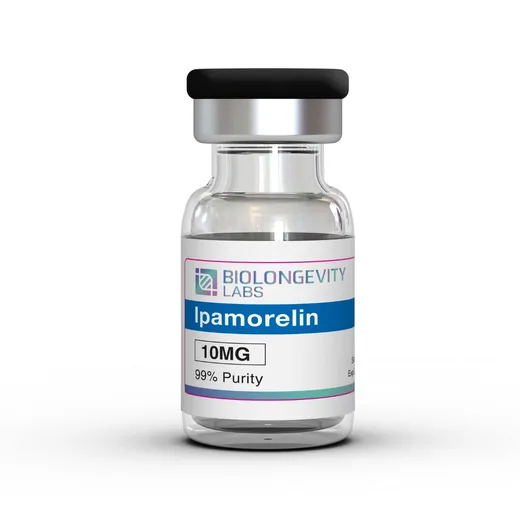
Research use only. Not for human consumption.
$57.97 as of Nov 22, 2026. Price at merchant may differ.
View research listingEducational content from an executive health coach, written as "what I would do if I were you" guidance — not medical advice, diagnosis or treatment. Injectable products sold on this site are for research use only and are not for human consumption. Talk with your licensed clinician before changing any protocol. Last reviewed November 2026.
