
Reviews Peptides Neuroscience Research
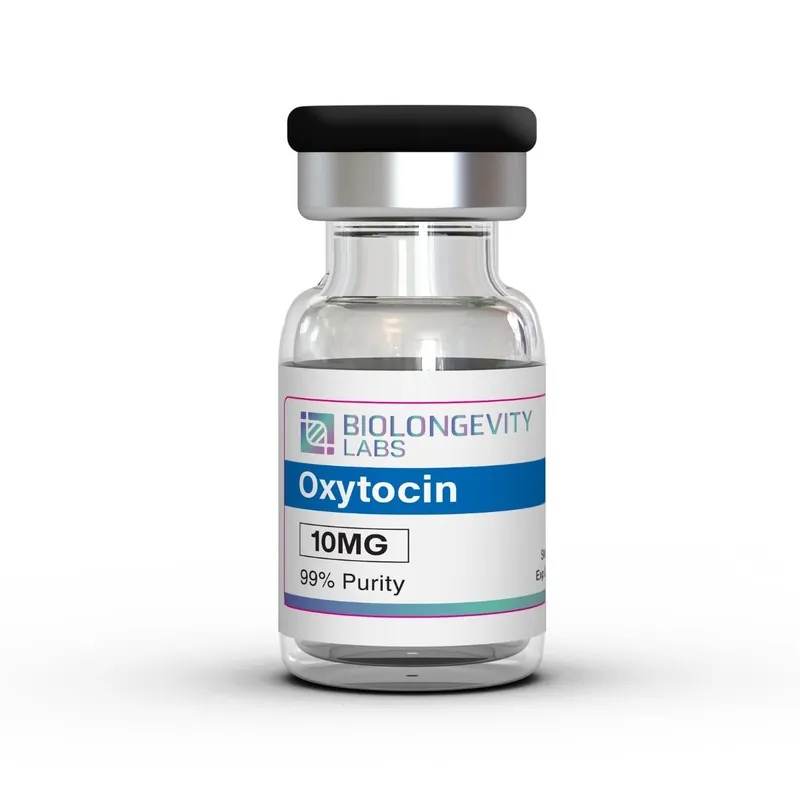
Oxytocin (10 mg)
Also known as OXT, Ocytocin, alpha-Hypophamine
Synthetic oxytocin, the cyclic nine-amino-acid hormone, in a 10 mg vial. It is an approved obstetric drug; trials of intranasal oxytocin for social behaviour have been largely disappointing.
- Advanced (draft)
- Compound evidence B · Limited human data
- Researched, not personally tested
- lyophilized vial
- Rank pending
Grades describe published research on the compound, not this product.
What it is
Oxytocin is a pituitary hormone (Cys-Tyr-Ile-Gln-Asn-Cys-Pro-Leu-Gly-NH2, with a Cys1-Cys6 disulfide bridge) that acts on the oxytocin receptor to drive uterine contraction, milk ejection and social-bonding circuits. Pharmaceutical oxytocin is a prescription hospital drug; BLL's 10 mg vial is a research reagent.
What it has been studied for
Receptor signalling and behaviour
MechanisticPhysiology reviews detail oxytocin-receptor signalling from cells to social behaviour, largely from animal work.
Social functioning in autism (intranasal)
Human RCTA large 24-week NEJM RCT in children and adolescents found no improvement in social or cognitive functioning versus placebo.
Social behaviour and plasticity
AnimalRodent studies link oxytocin to social memory and neural plasticity; human translation remains uncertain.
This study examined the research compound, not the product sold by BioLongevity Labs. The findings do not establish that the product is safe or effective for people.
Research contexts
- Oxytocin-receptor pharmacology research
- Reviewing the social-neuropeptide literature
Cautions & unknowns
- Potent uterotonic: contraindicated in pregnancy outside obstetric care.
- Excess exposure can cause water retention and low sodium (antidiuretic effect).
- Early human 'trust' findings have not replicated well; marketing of oxytocin for mood or bonding outruns the evidence.
- Unapproved peptides fall under WADA's S0 (non-approved substances) category; not for tested athletes.
- Research peptide vials are not sterile drug products; nothing here covers administration, reconstitution or dosing.
- BioLongevity Labs designates this vial for in vitro research use only; the merchant states it is not for human or veterinary administration. This review describes the compound and published research only, with no dosing, reconstitution or personal-use guidance.
- No statement here has been evaluated by the FDA; nothing in this review is medical advice.
Jason’s take
Jason's hands-on review is coming.
Compared products
One product reviewed so far. Comparison slots stay empty until Jason chooses alternatives.
- Product 1
BioLongevity Labs
Oxytocin (10mg)
SKU OXY-10MG · 10 mg
Researched, not personally tested
Where it shines
- 10 mg per vial at $63.97 (about $6.40 per mg, list price 2026-11-22).
- Sequence, disulfide bridge and C-terminal amide disclosed.
- BLL states every batch is tested by an independent third-party lab (AV Analytics or BioRegen) against a ≥99% HPLC purity specification, with certificates published online and verifiable via QR/report codes.
Where it falls short
- Pharmaceutical oxytocin is dosed in international units; a 10 mg research vial is a very large quantity relative to clinical use.
- Certificates are published online, not shipped with the vial, and no lot certificate was independently audited for this review.
Verdict: A classic, well-characterized hormone whose behavioural claims have not held up in large trials.
$63.97 as of Nov 22, 2026 at BioLongevity Labs
For in vitro research use only. Not for human or animal use.
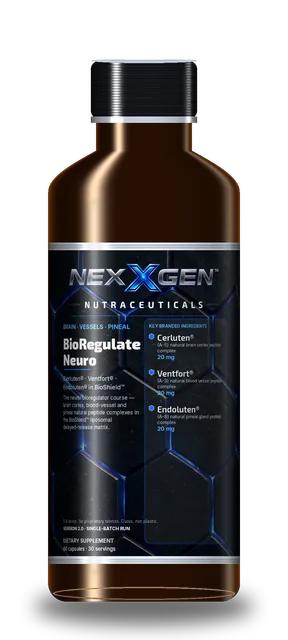
NexGen formulation
NexGen formulation in development
NexGen™ is Jason Johns' own brand. Illustrative render: formulation and name are not final.
Related reviews
Sources
- Oxytocin (10mg) product page BioLongevity Labs · accessed Nov 22, 2026
- The oxytocin receptor: from intracellular signaling to behavior (2018) PubMed · accessed Nov 22, 2026
- Intranasal oxytocin in children and adolescents with autism spectrum disorder (NEJM 2021) PubMed · accessed Nov 22, 2026
- Oxytocin, neural plasticity, and social behavior (2021) PubMed · accessed Nov 22, 2026
Updated Nov 22, 2026. Written by the NexGen research team for @SupplementGraveyard™. Jason Johns is an executive health coach, not a licensed healthcare provider. This content is educational only and does not create a provider-patient relationship.